FAQs
What gardening services do you offer?
We offer a wide range of gardening services including grass cutting, lawn maintenance, hedge trimming, pruning, weeding, bramble removal, garden clearances, planting, mulching, jet washing and general garden maintenance.
Do you offer one-off jobs?
you offer?Yes. We can help with both one-off gardening jobs and regular ongoing maintenance.
Do you offer regular garden maintenance?
Yes. Regular visits can be arranged weekly, fortnightly, monthly or seasonally, depending on your garden and requirements.
Can you quote from photographs?
Yes, many jobs can be quoted from clear photographs. However, photographs may not show hidden waste, rubble, roots, soil conditions or the full extent of overgrowth.
For larger or more complicated jobs, an on-site quotation may be recommended.
Are photo quotations guaranteed?
Quotes based on photographs are based on the conditions visible at the time.
If additional work is discovered on arrival, such as hidden rubble, buried waste, excessive roots or significantly more growth than shown, we will discuss this with you before carrying out additional chargeable work.
Do you remove garden waste?
Yes. Garden waste removal can be arranged.
Waste charges depend on the amount, weight and type of waste being removed and will be explained as part of your quotation.
Are you licensed to carry waste?
Yes. GJO Gardening Services holds the appropriate waste carrier registration for transporting waste produced during our gardening work.
Do you supply materials?
We can supply certain materials where agreed in advance.
If the customer is supplying materials such as bark, membrane, soil, plants or edging, enough material must be available for the agreed work. Additional visits required because customer-supplied materials run out may be chargeable.
Do you remove brambles?
Yes. Bramble clearance is one of our services.
Because mature brambles can have extensive root systems and can be much more time-consuming than ordinary weeds, bramble removal may cost more than standard weeding.
Can you guarantee weeds or brambles will never return?
No gardening company can realistically guarantee that weeds or brambles will never return.
We can remove and treat them appropriately, but future growth can depend on roots, seeds, neighbouring land and ongoing garden maintenance.
Do you cut hedges and shrubs?
Yes. We provide hedge trimming and pruning for suitable hedges and shrubs.
Very large, difficult-to-access or specialist tree work may require a qualified tree surgeon.
Do you do tree surgery?
We can undertake appropriate light pruning and gardening work, but specialist or high-risk tree surgery may need to be referred to a suitably qualified professional.
Do you jet wash patios and driveways?
Yes. We offer jet washing for suitable patios, paving, pathways and driveways.
Pricing depends on the size and condition of the area, and re-sanding or additional treatments may cost extra.
What happens during hosepipe restrictions?
We always follow the restrictions that apply at the time.
If regulations prevent us from carrying out a particular service, we will advise you and arrange an alternative date where appropriate.
Do I need to provide electricity or water?
This depends on the work and equipment being used.
If access to electricity or water is required, this will normally be discussed before the appointment.
What happens if you cannot access the garden?
Customers are responsible for ensuring agreed access is available at the appointment time.
If we cannot gain access, a cancellation or wasted-journey charge may apply depending on the circumstances.
Do you require a deposit?
Yes. For booked work, we normally require a 50% deposit to secure the appointment unless otherwise agreed.
What is your cancellation policy?
We ask customers to provide at least 48 hours' notice when cancelling or rearranging an appointment.
Late cancellations may result in the deposit being retained or additional charges where costs have already been incurred.
Is parking included?
Where paid parking, permits or other parking charges are necessary to carry out the work, these costs may be added to the final bill.
What happens if the weather is bad?
Some gardening work can continue in light rain, but heavy rain, strong winds, extreme heat or unsafe conditions may mean the appointment needs to be rearranged.
Safety comes first.
How long will my gardening job take?
Every garden is different.
The time required depends on the size of the garden, level of overgrowth, access, ground conditions, amount of waste and the work requested.
Do I need to be home?
Not necessarily.
If safe access has been arranged and we have clear instructions, some jobs can be completed while you are away. Before-and-after photographs can also be provided where appropriate.
Which areas do you cover?
GJO Gardening Services covers South East London and surrounding areas, including Greenwich, Eltham, Lewisham, Woolwich, Bexley, Bromley, Dartford and other nearby locations.
How do I get a quote?
Send us a description of the work together with clear photographs of the garden and the areas requiring attention.
For larger or more complicated jobs, we may recommend visiting the property before providing a final quotation.
Last but not least meet our Garden expert John

Ask John – Understanding Common Garden Weeds
Hello, I’m John from GJO Gardening Services.
I’ve always believed that a garden should be somewhere you can switch off, enjoy the fresh air and have your own little haven. That’s why I’m here — to share what I know, answer questions where I can and hopefully help people understand their gardens a little better.
For my first Ask John, I thought I’d start with three weeds we regularly come across. Some are simply persistent, some compete heavily with the plants you actually want, and some need a little more care when handling.
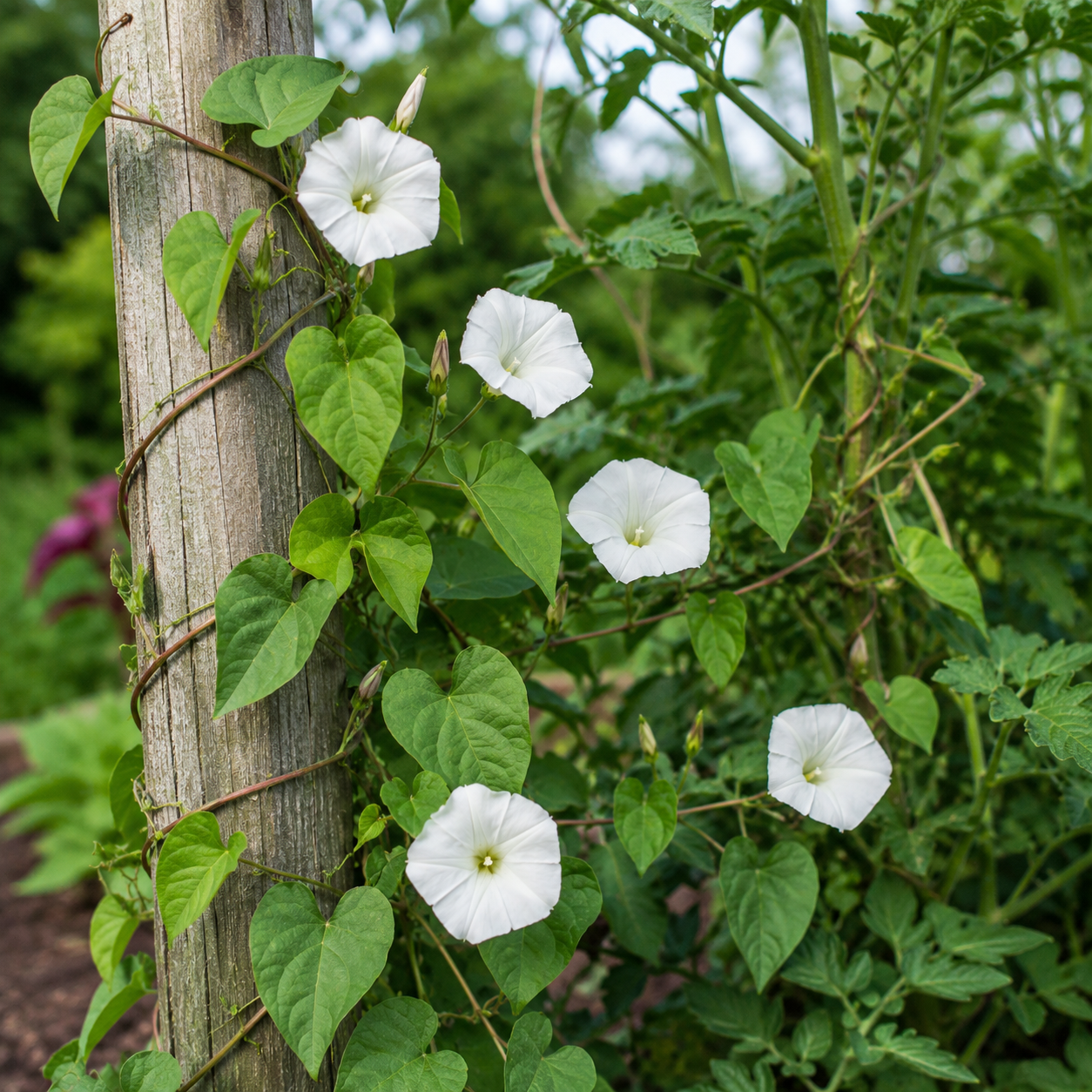
1. Bindweed
Bindweed may look quite attractive when its white trumpet-shaped flowers appear, but underneath the surface it can become a real problem.
It grows by sending long roots through the soil and then twists itself around other plants, shrubs and fences. Once established, it can grow surprisingly quickly and can smother smaller plants by competing for light, water and nutrients.
What should you do?
If there is only a small amount, carefully unwind it from your plants and try to remove as much of the root as possible. Keep checking the area because even small pieces of root left behind can produce new growth.
What shouldn't you do?
Try not to simply chop it up and dig the pieces throughout the soil. This can make the problem worse because separate pieces of root may begin growing again.
John's tip:
With bindweed, persistence usually wins. Don't expect one quick pull to solve an established problem.
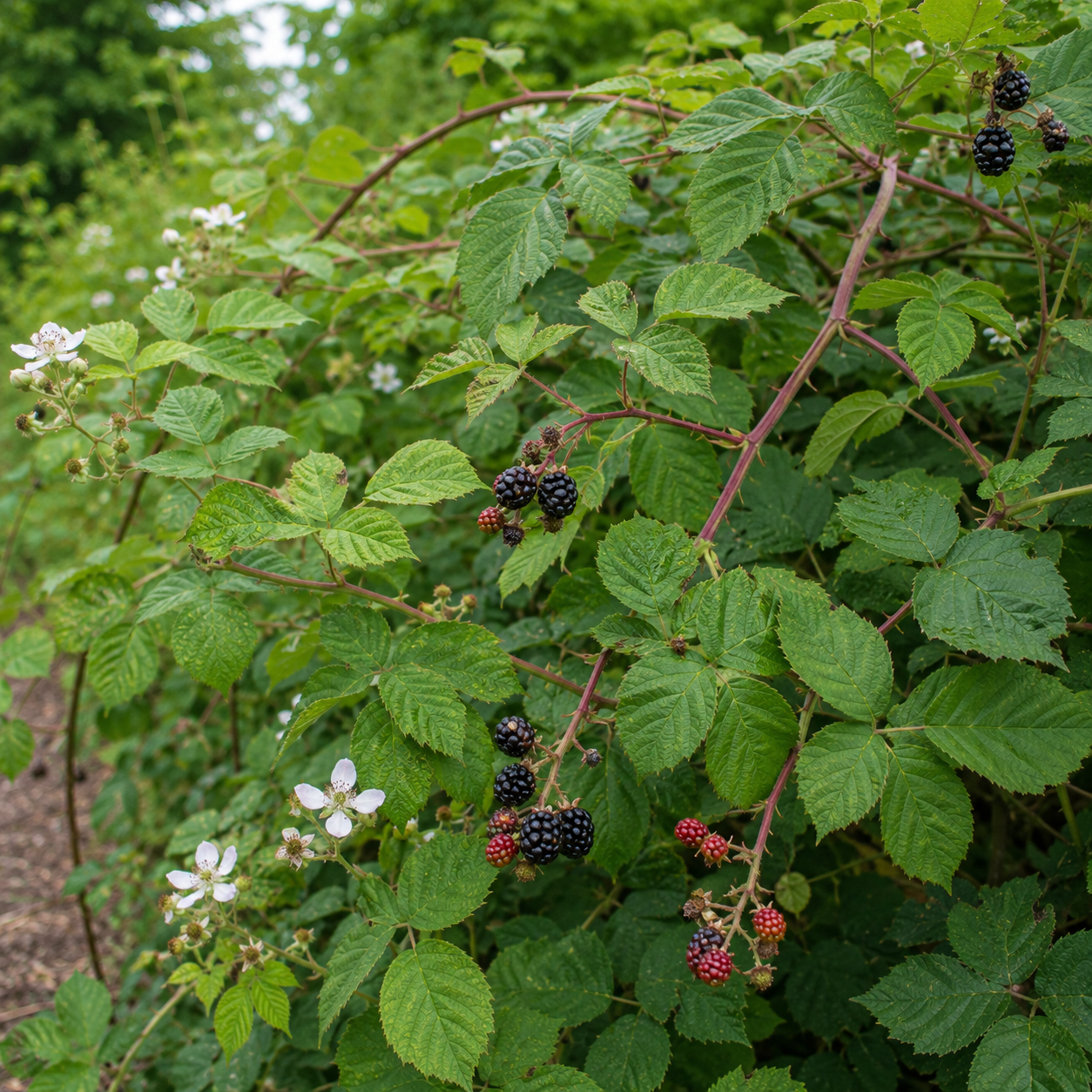
2. Brambles
Most people know brambles because of their thorns — and anyone who has tried clearing an established patch will know how quickly they can take over.
Brambles send out long arching stems. When those stems touch the ground, they can sometimes root again, allowing the plant to spread further through the garden.
Left unmanaged, brambles can overwhelm flower beds, fences, sheds and other plants. Dense growth can also make sections of a garden virtually inaccessible.
What should you do?
Wear thick gloves, long sleeves and suitable footwear. Cut the long stems back methodically before dealing with the root system.
For established brambles, removing or weakening the crown and roots is important because simply cutting the visible growth doesn't necessarily stop it returning.
What shouldn't you do?
Don't tackle heavy brambles with bare hands or ordinary thin gardening gloves. The thorns can cause nasty scratches and stems can spring back when cut.
John's tip:
Take your time. Clear brambles in sections rather than trying to fight the whole patch at once.
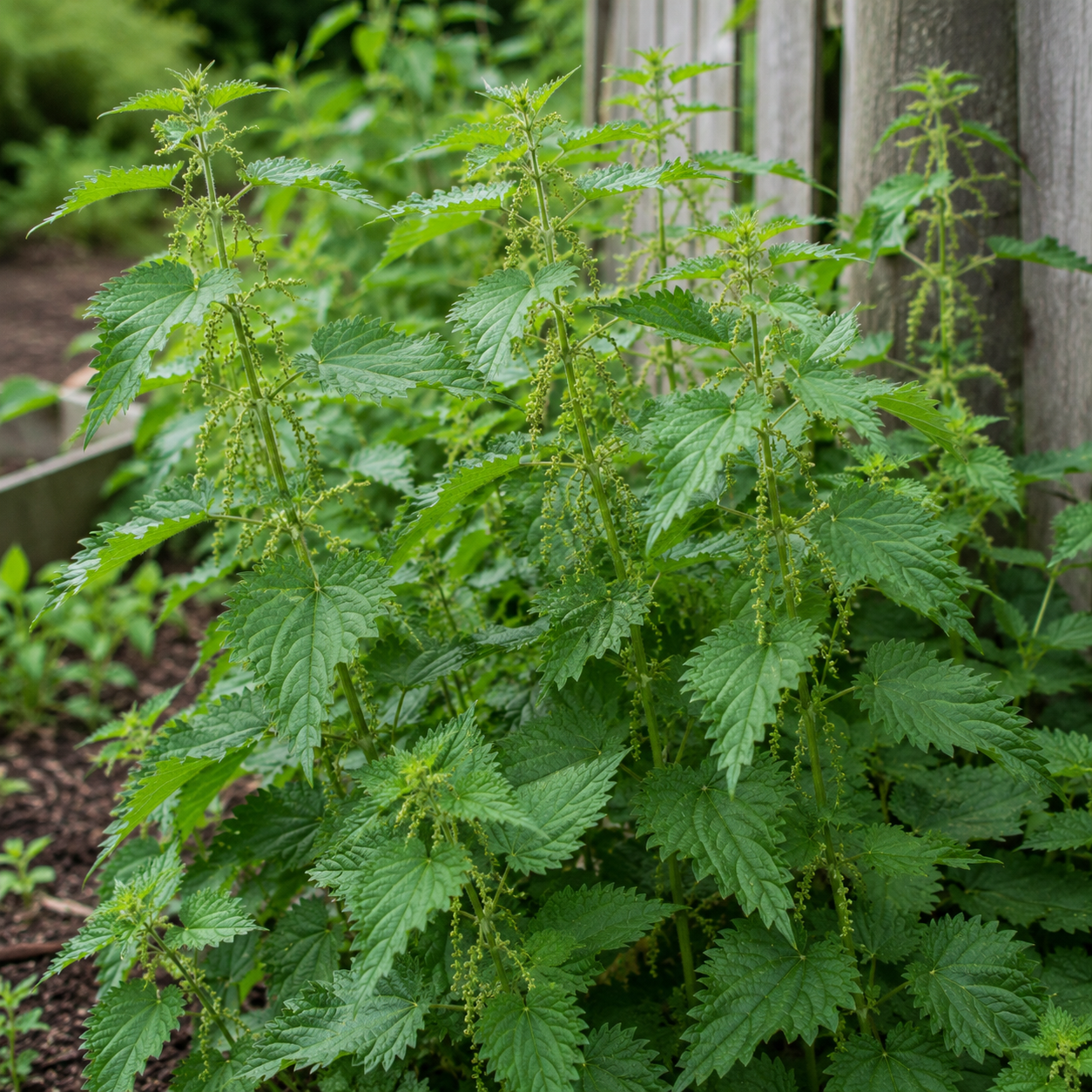
3. Stinging Nettles
Nettles are interesting because they aren't necessarily a "bad" plant.
They provide food and habitat for several species of insects and butterflies, so in the right part of a larger garden they can actually benefit wildlife.
The problem comes when they spread into lawns, paths, children's areas or flower beds.
Nettles spread through underground stems and can quickly form large patches. Their tiny hairs inject irritating chemicals into the skin when touched, producing the familiar burning and itching sensation.
What should you do?
Wear gloves and cover exposed skin when removing them. Young plants can often be pulled or dug out, but established patches may need the underground roots removing as well.
What shouldn't you do?
Don't let children or pets run through an area containing large nettle patches, and don't handle them with bare hands.
John's tip:
If you've got enough space, you don't necessarily have to remove every nettle. Keeping a small controlled wildlife patch can actually be beneficial.
One Important Safety Point From John
Before pulling out a plant you're unsure about, identify it first.
There are plants found in the UK — including giant hogweed — that can cause serious skin injuries when handled incorrectly.
If you see something you don't recognise, particularly a large unfamiliar plant, don't assume it's safe simply because it looks like an ordinary weed.
Take a photograph and get it identified before touching it.
A garden should be enjoyed, not feared. A little knowledge about what is growing around you can make maintaining it safer, easier and much more rewarding.
John
GJO Gardening Services
Bindweed
Nettles